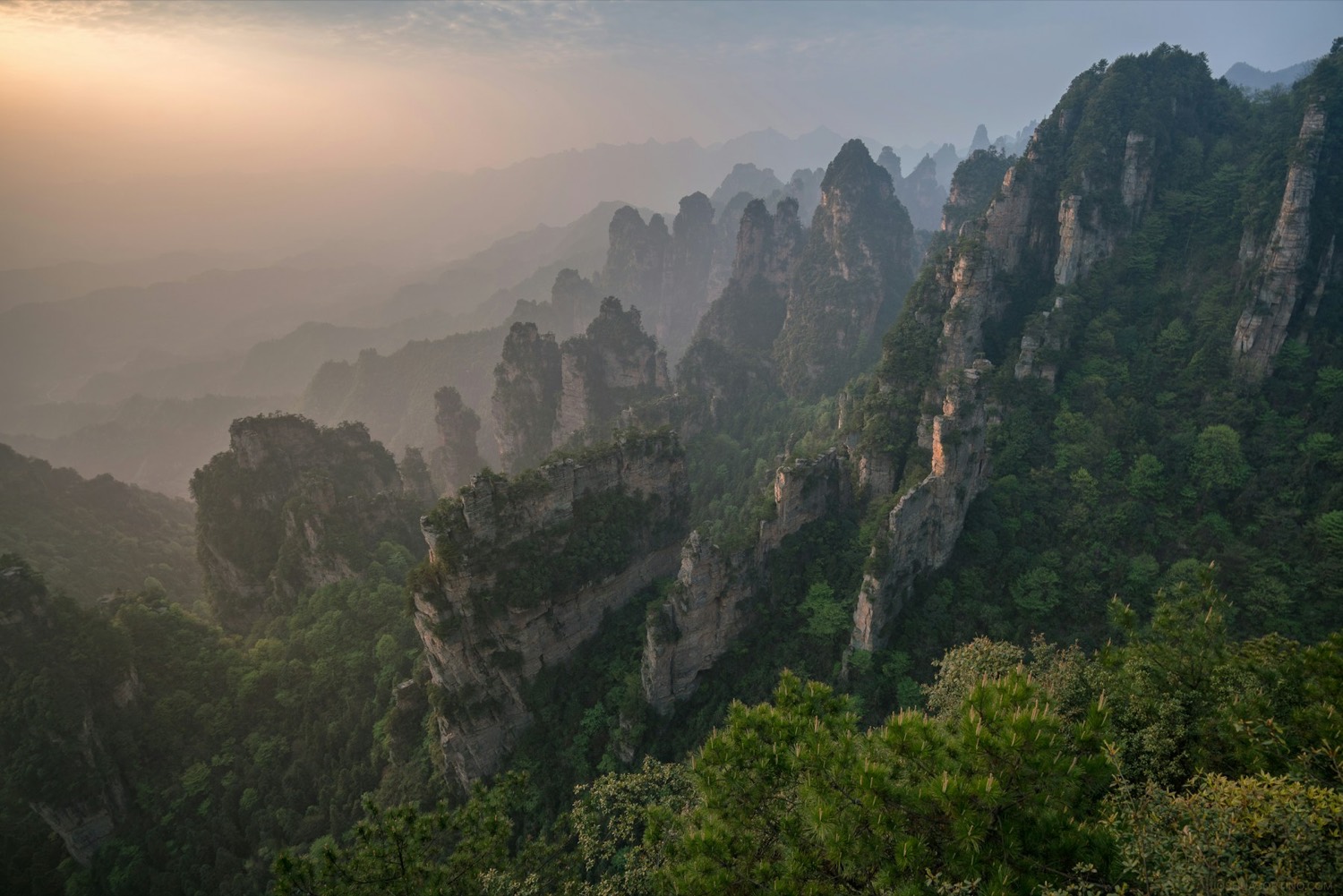
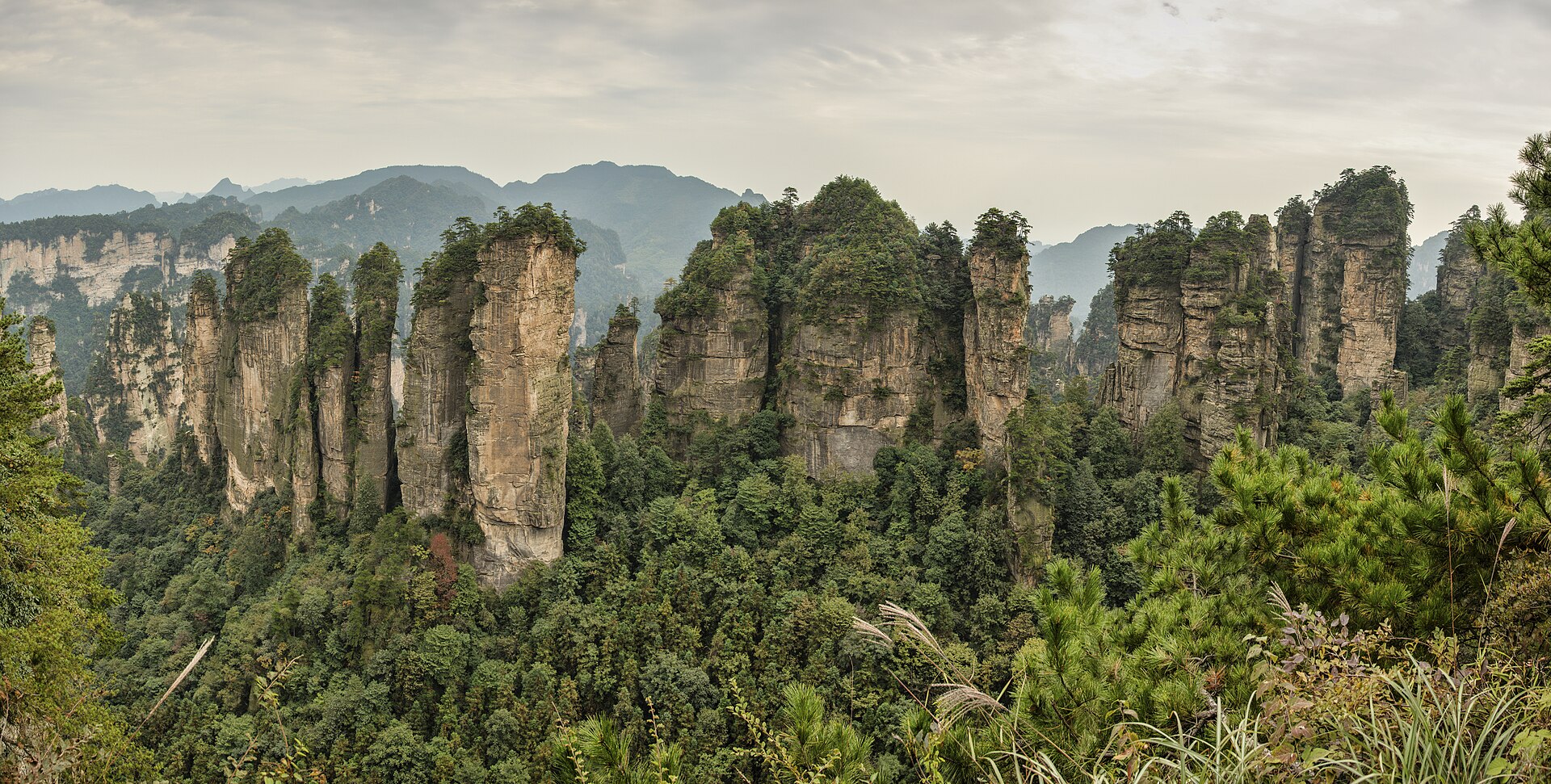
A wide panorama of forested sandstone pillars at Huangshizhai in Wulingyuan

Amsterdam → Beijing → Wulingyuan → Chengdu → Taiwan → Amsterdam

China in three chapters.

Imperial Beijing, an impossible stone forest and nine days of Chengdu life—then Taiwan in a softer, slower second act.
41nights
east
A wide panorama of forested sandstone pillars at Huangshizhai in Wulingyuan
From Huangshizhai the landscape reads as a complete stone forest, not a single famous pillar: ridges upon ridges dissolving into haze.
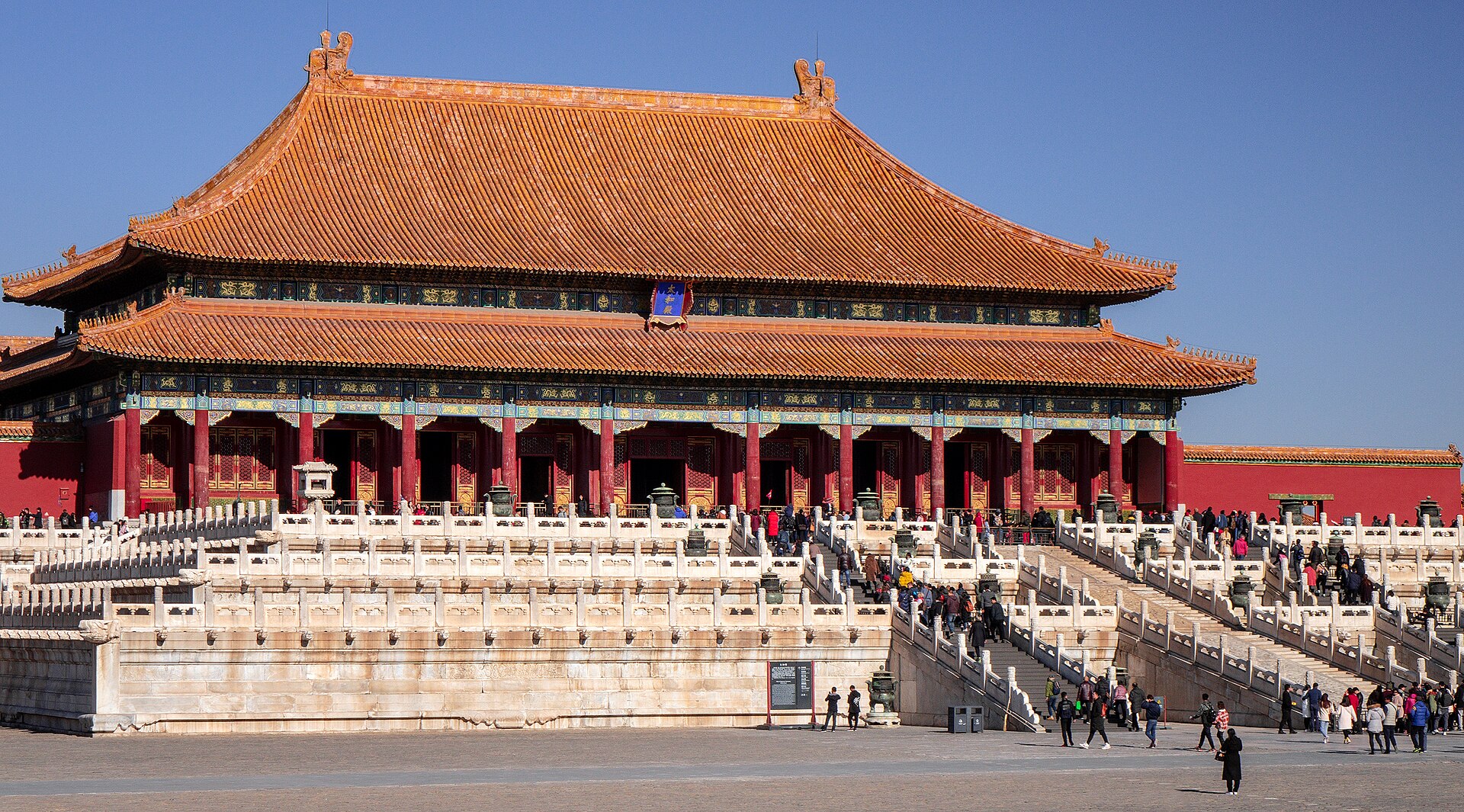
The Hall of Supreme Harmony with its orange roof above the broad stone terraces of the Forbidden City
The Forbidden City delivers the scale that photographs struggle to explain: courtyards, terraces and rooflines extending along one ceremonial axis.
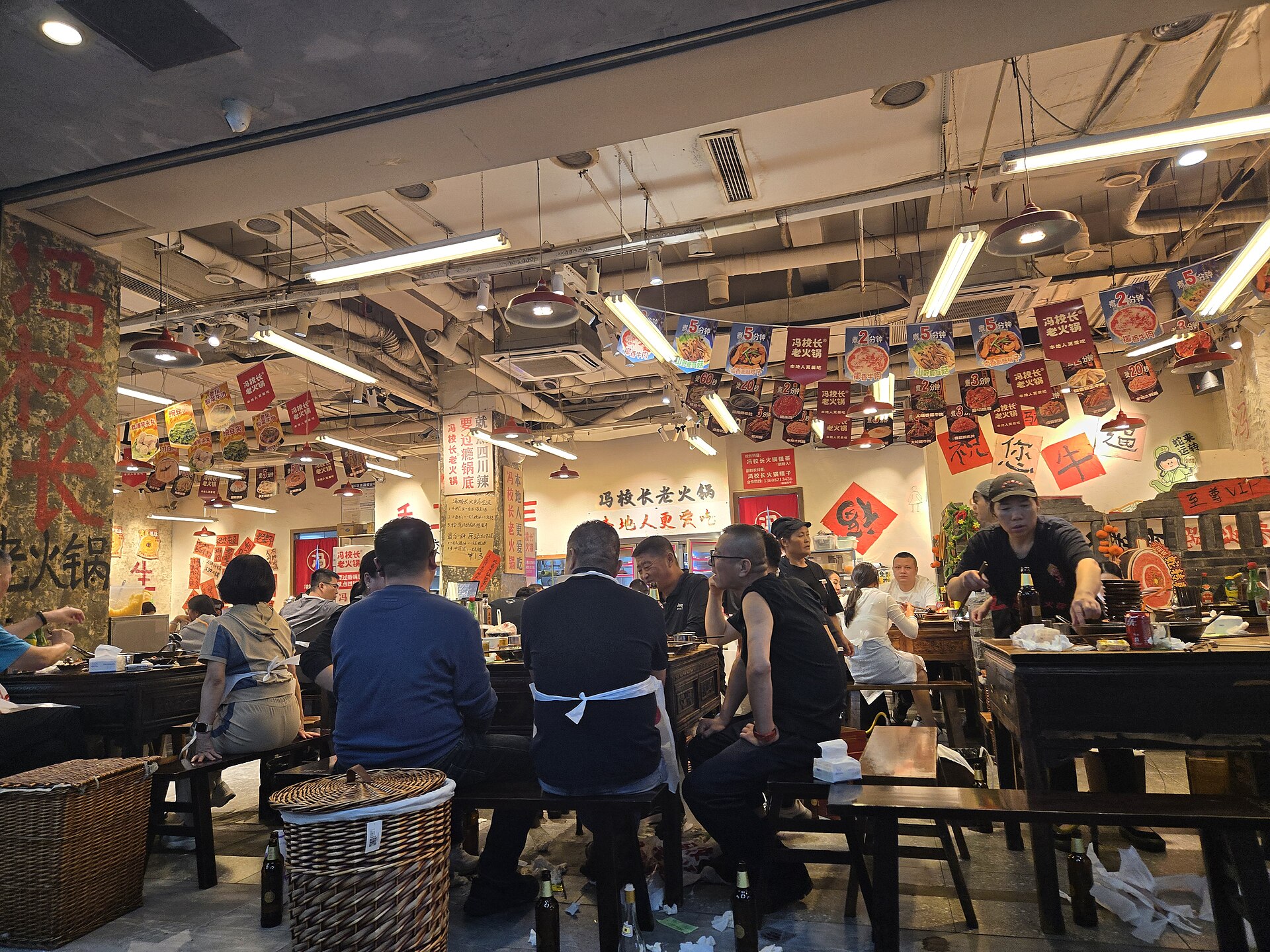
A bright, busy Chengdu hotpot restaurant with diners around shared tables
Chengdu hotpot is a social evening rather than a tasting list: one shared broth, a long table and enough time for the room to become part of the meal.
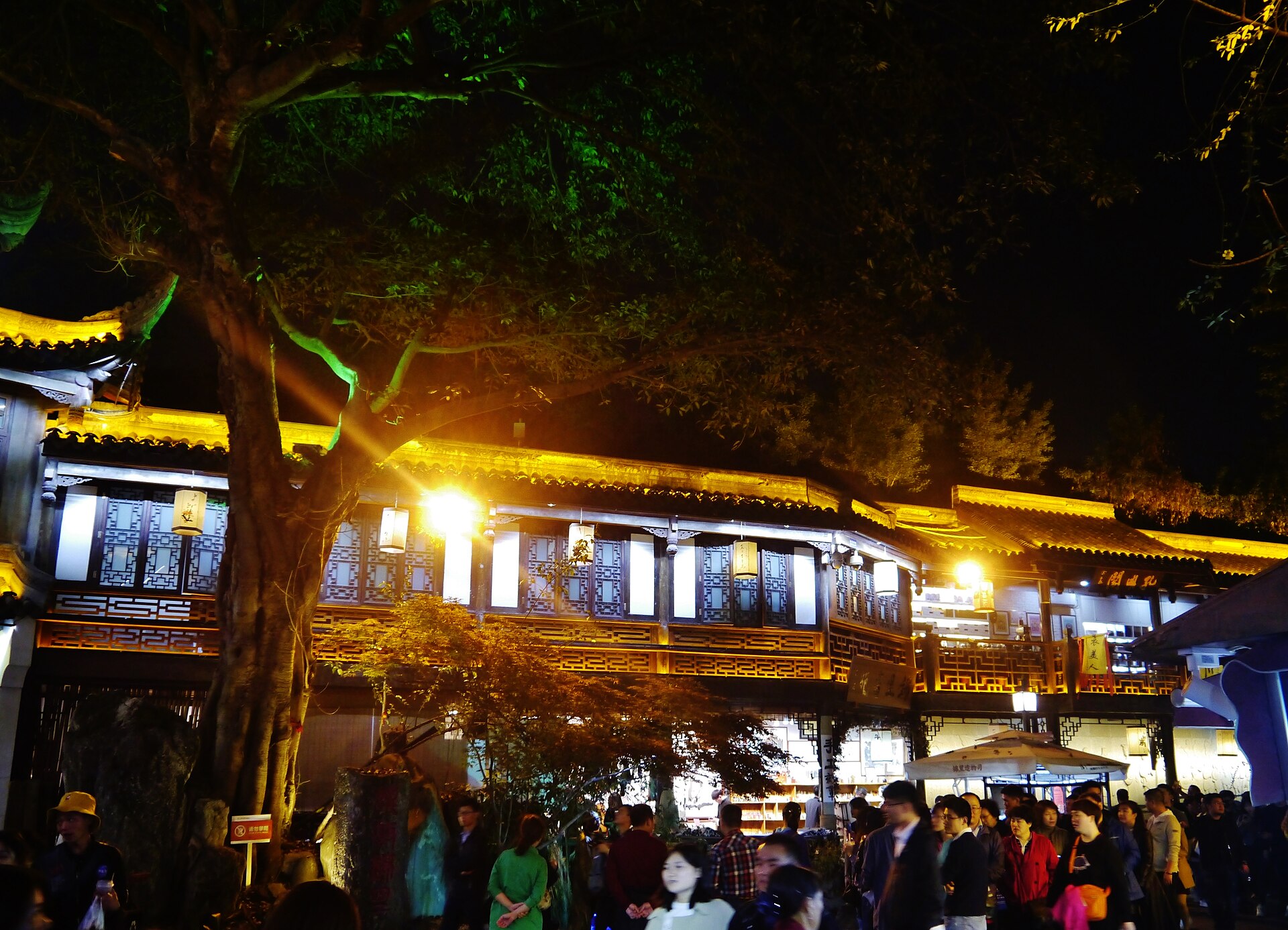
Wooden buildings and lantern-lit water at Jinli Street in Chengdu after dark
Jinli is polished and theatrical, but after dark its lanterns and timber reflections still provide an easy, compact evening mood.
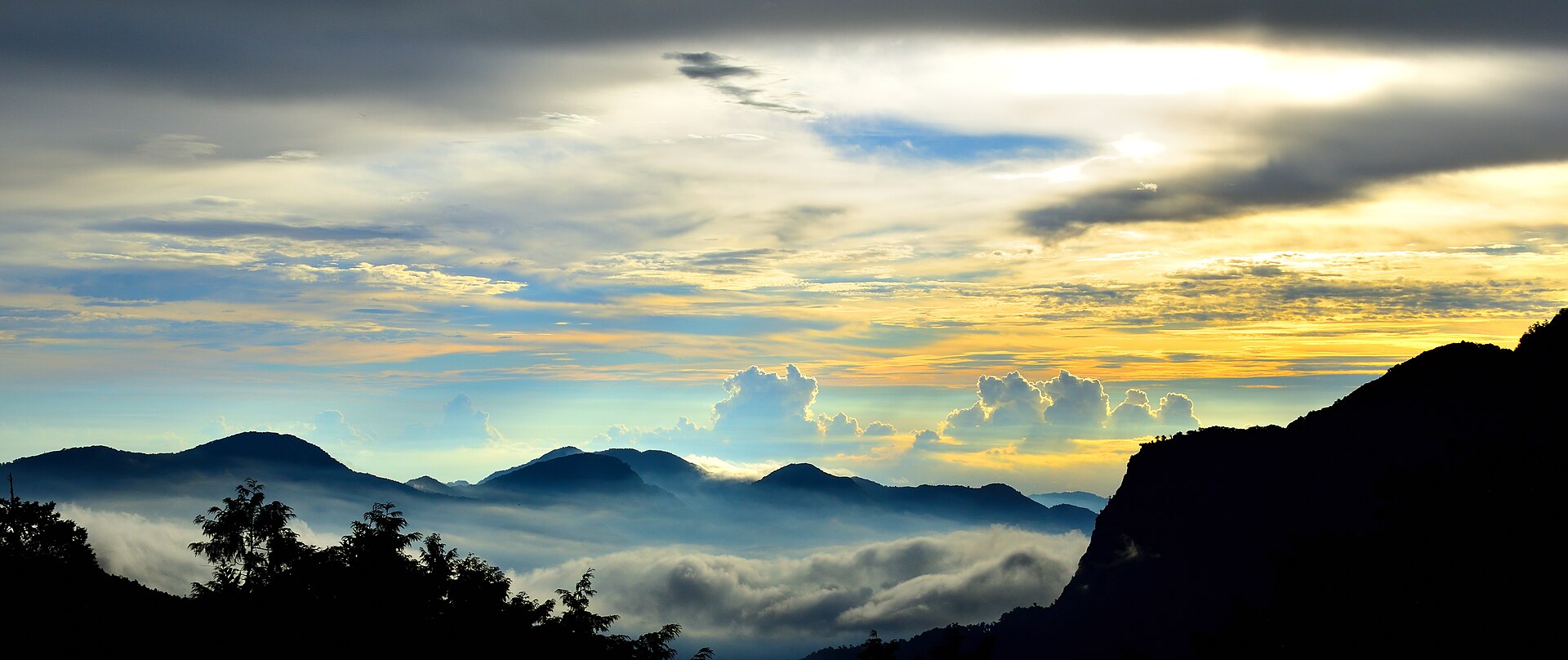
A golden sky above dark mountain ridges and a glowing sea of clouds in Alishan
When the cloud sea forms, valleys vanish and the high country seems to float; staying several nights gives the weather more than one chance to perform.
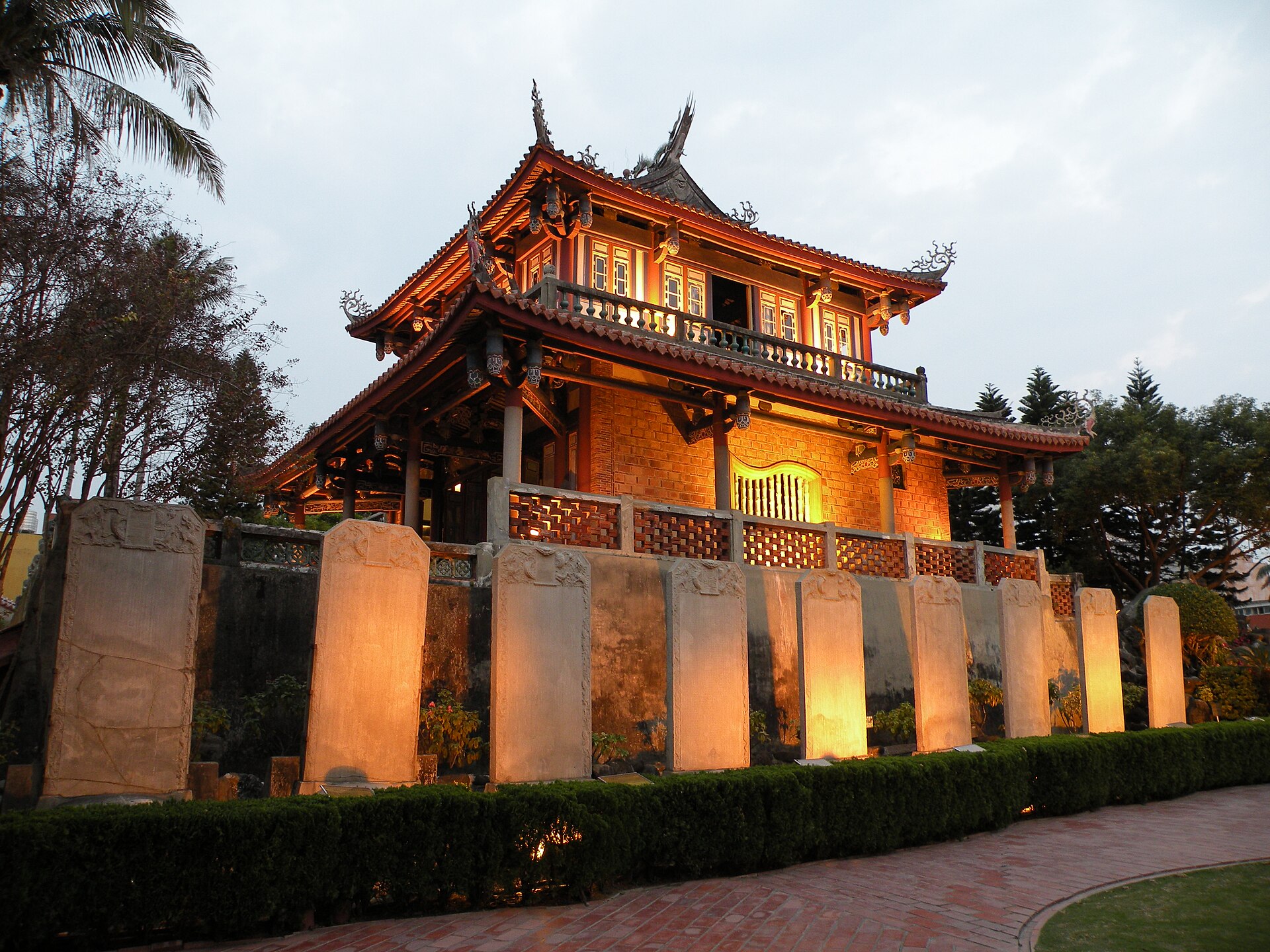
Chihkan Tower illuminated warmly behind its stone wall in Tainan at night
Chihkan Tower compresses Tainan's layered past into one compact site, then becomes especially atmospheric when the heat fades and the lights come on.
In one sentence

Imperial Beijing, an impossible stone forest and nine days of Chengdu life—then Taiwan in a softer, slower second act.

Not every day needs to earn its place. The blank days, repeated breakfasts and weather buffers are what let the extraordinary days actually feel extraordinary.

6real bases14big-effort days€8,500working plan20 / 21 nightscountry split
The journey in one minute

Five feelings, not forty-one tasks.

Tap a base. See what staying there buys you—and what you consciously leave out.

Drawing the route…
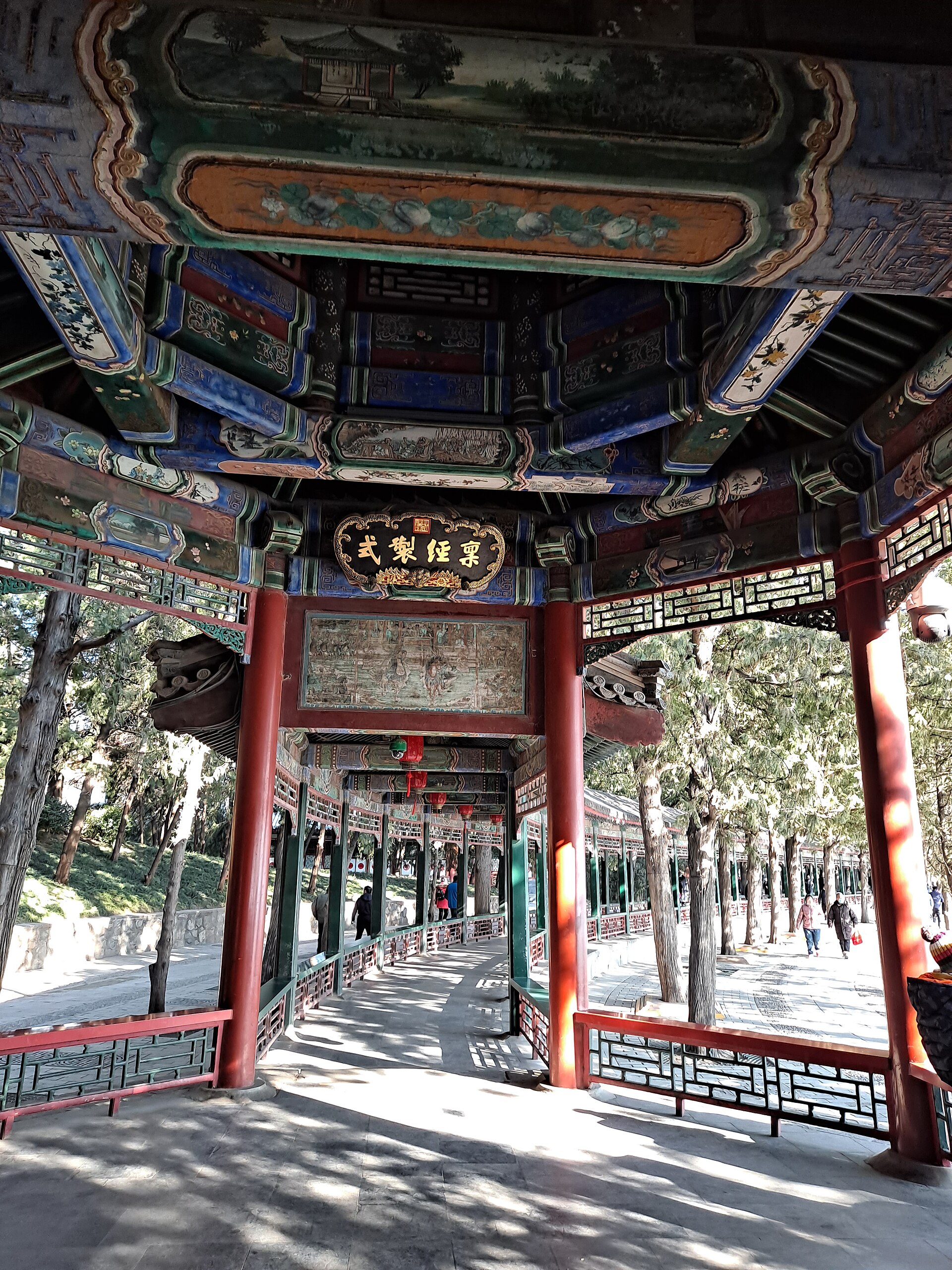
The richly painted beams and red columns of the Long Corridor at Beijing's Summer Palace
The Long Corridor turns a lake walk into a slow study of painted beams, framed views and imperial garden craft.
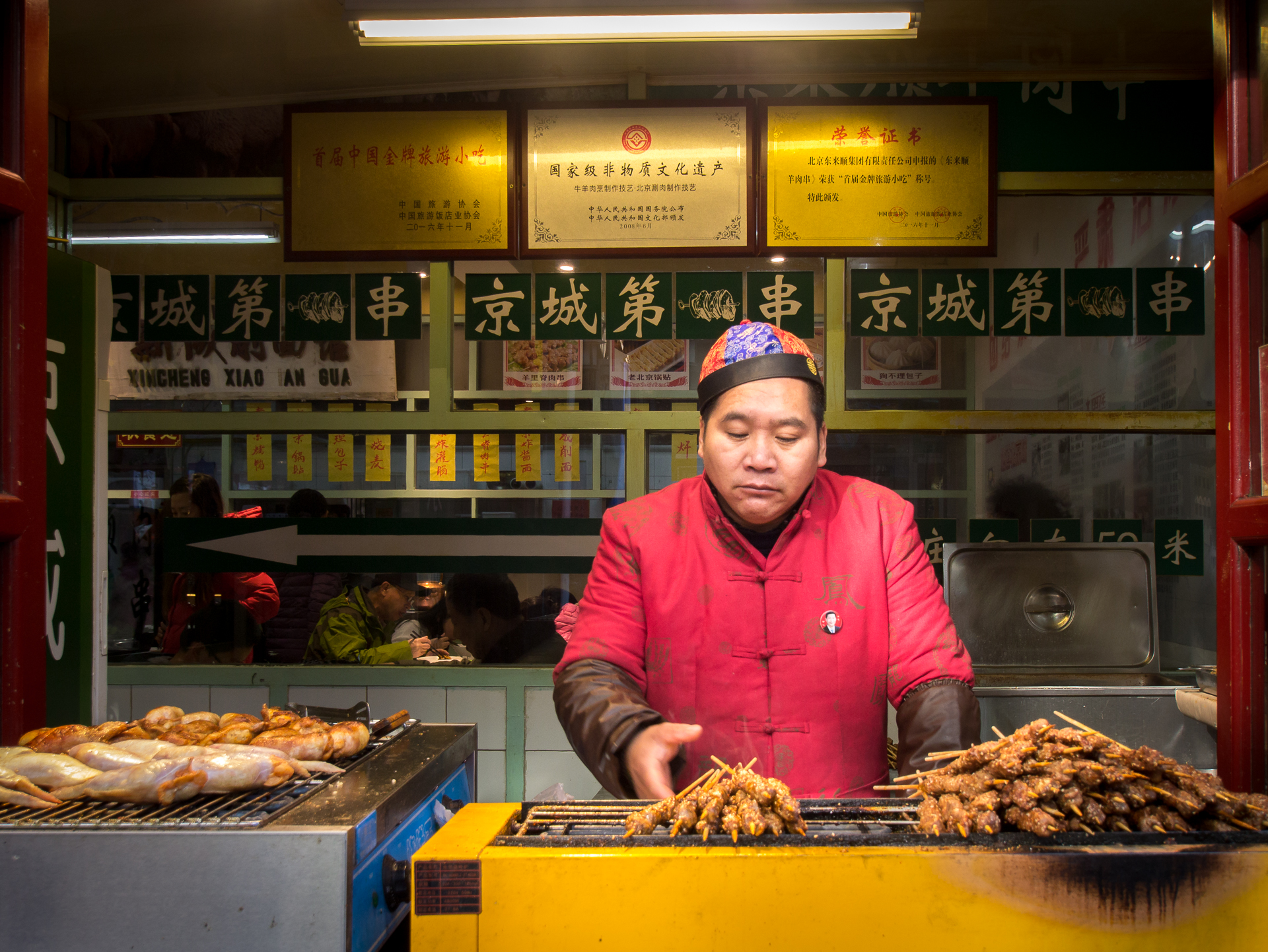
A Beijing street-food seller in a red jacket standing behind trays of skewers
A single neighbourhood counter can be more memorable than a food crawl: choose what is busy, watch it being cooked and return if it becomes a favourite.
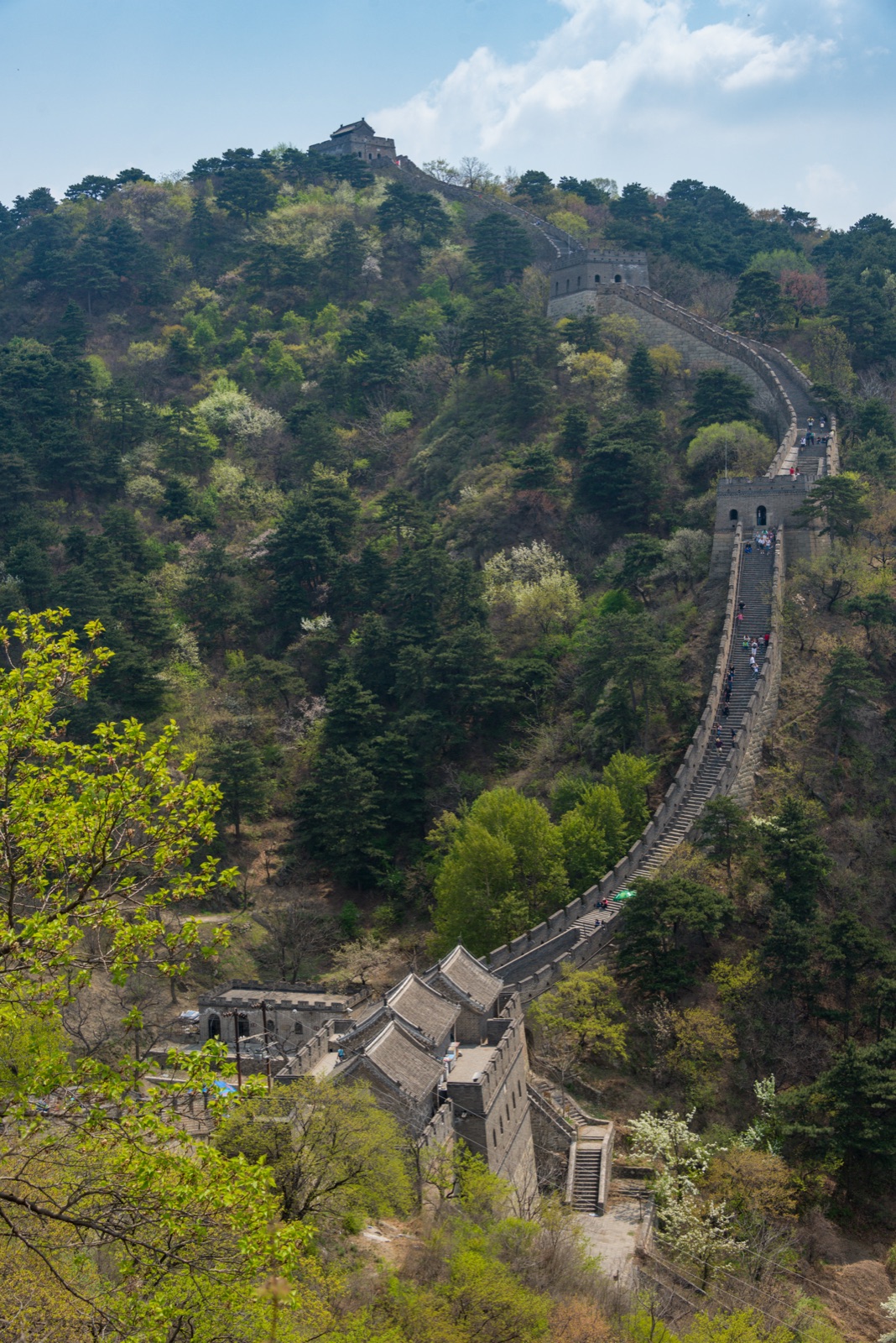
Mutianyu section of the Great Wall winding over wooded hills
Six nights let Beijing become a place: one palace, one Great Wall day, ordinary hutong mornings, parks full of local life and an intentionally unscheduled day.
Live with imperial scale · 23–29 Oct

Beijing

Monumental history becomes human when palace courtyards alternate with lakes, breakfast counters and pensioners dancing in the park. Six nights let Beijing become a city rather than a monument collection.

The moment you came forWind on the Mutianyu wall after several unhurried days learning the scale and rhythm of Beijing.
Why 6 nights?
Arrival plus four distinct anchors and one genuinely unscheduled day. The gaps between the big sights are what let their scale land.
The honest trade-off
The city is vast and reservations shape major days. Staying north-central and resisting extra excursions keeps it pleasurable.
With the baby
Parks and palace courtyards provide space, but thresholds and long distances favour a carrier on monumental days. A private transfer makes the Great Wall realistic.
How you get there
Weather gets a vote. Extra nights are not filler; they are how the best mountain day finds you.Still unsure? Compare with route A